

Healthy Soil - You Must First Measure It Before You Can Manage It. (Part One)
It does not matter what crops you grow, whether permanent or row crops, your soil health should be a high priority. When soil is healthy, it is productive. Productive soil grows healthy plants, with well-balanced vigor and precocity all without sacrificing crop quality. If you are being challenged by plant infections and fruit set and/or quality issues, you might need to take a closer look at the soil. The health of your soil is foundational to everything that grows out of it.
To gauge soil health you need to know its contents. A friend once described that concept this way, “You must be able to measure it, in order to manage it.” Begin with a soil test or tests which are representative of…

Grower Question: Compost or Manure?
Will compost or manure improve the nutrient content of your soil? In short, yes. To what degree depends upon the material you choose and how it is managed.
For soil nutrient improvement, I favor manures (raw or composted) over composted green waste. The nutrient analysis of green waste can vary to a greater degree than manure-based options. Regardless of the material…

Is Your Soil Giving You pHits?
Soil pH tells you nothing more than the presence or absence of hydrogen in the soil.
Soil pH can give you a false sense of security about your soil productivity.
Amending should not be based on soil pH alone.
Soil pH is not a good indicator of calcium content, availability, or any other nutrient for that matter.
Photosynthesis 101
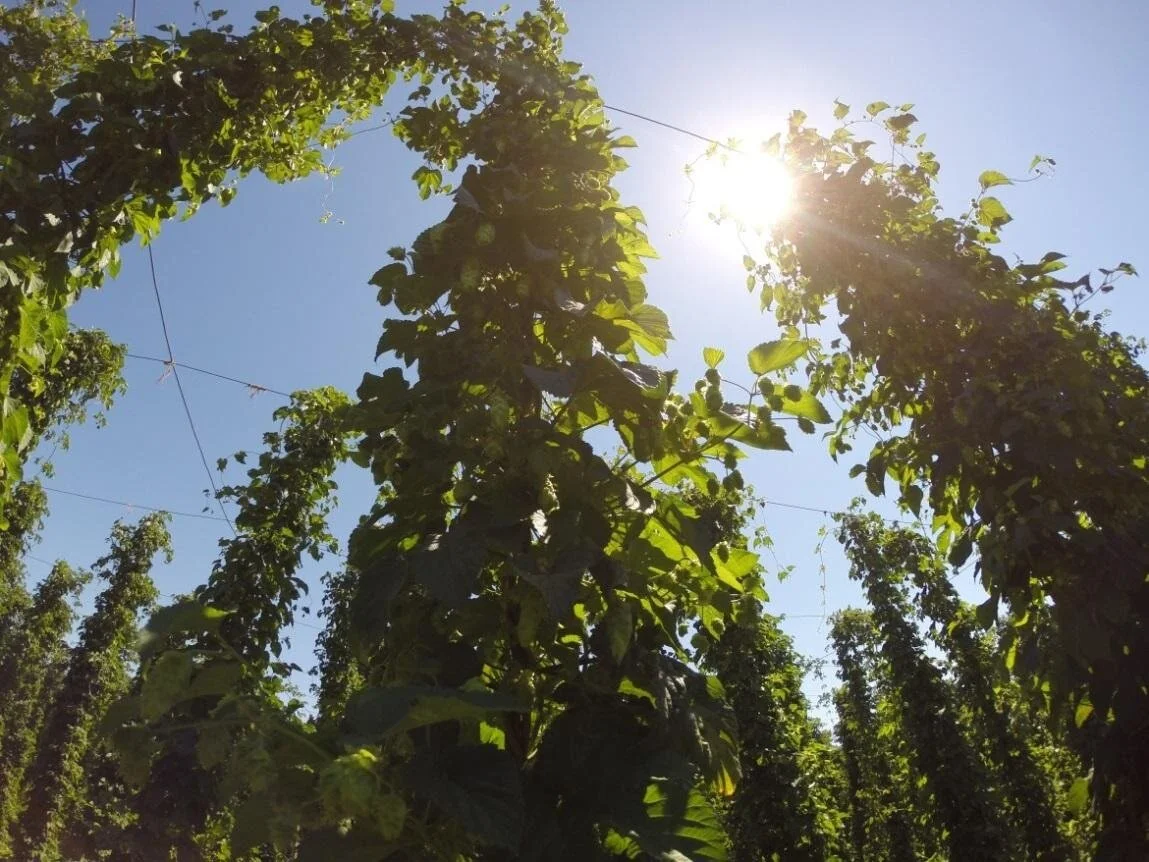
Everyone, everywhere benefits from plants; specifically from Photosynthesis. It’s the plant process that takes water (6H2O), carbon dioxide (6CO2) and sunlight (energy) and transforms them, into glucose (C6H12O6) and oxygen (6O2) during daylight hours. This supplies food for plants and oxygen (and food) for the rest of us. It is the most vitally important activity on earth.
Approximately 95% of all plant structures are made up of carbon, hydrogen, oxygen…95%! These are taken from the air and water via the photosynthetic process. While this is a plant activity, it is dependent upon a living, nutrient-rich soil for supplying water and the necessary mineral nutrition, which cannot be gotten from the air. The mineral nutrition is the part where we have a direct affect; the 5%. To make this dynamic system work well requires “give-and-take” action. There’s a symbiotic relationship between plants and soil (biology). Plants need what only the microbes can provide and are unable to get for themselves and vice versa. Plants make sugars and soil microbes eat sugars. Soil microbes liberate soil-bound minerals that plants cannot release, but need for survival; interdependence. Of the sugars produced, plants use ⅓ to ⅔ of these photosynthates within the canopy and the remaining…
Pistachio Bloom Stage
We are at bloom stage, and it is a very important time to remember your Neoteric rules of agriculture, and one of those is to start every crop off with Phosphorous. The reason that concept is so important, is because most pistachios are farmed on Calcareous soils that tend to be alkaline; it’s not so much that alkaline soil is a problem, except that when your soils are alkaline there’s different effects that cations have on your pH level. The pH value is nothing more than a measurement of the absence, or presence, of Hydrogen…

Bloom - part two: energy, stress & self-regulation
Blooming conditions are not always ideal; they can often include plant -stressors like severe weather events (i.e. windy, rainy, extreme temperatures, etc.) or pest pressures. If your plants aren’t supplied with adequate nutrition and energy they will self-regulate.
Something to keep in mind - when plants self-regulate, it means loss of yield and profit potential. Plant self-regulation happens when there is nutrient and/or energy deficiency. This might be evidenced in incomplete pollination…