Bloom Stage: The Volatile Energy System (Part 1)
Awakening Through Pollen Tube Elongation
As we move into Bloom, we enter the most energy-dependent stage of the entire growing season. This is not poetic language — it is plant physiology. Bloom determines the ceiling of your yield potential. Everything that follows either protects that potential or reduces it.
Dr. Arden Andersen wrote, “…a considerable amount of stored energy is needed in a grain of pollen for successful fertilization to occur. The quality of the pollen is only as good as the nutrition given to the plant.”
That statement frames Bloom accurately. Pollination success is energy-dependent. And during Bloom, that energy is coming primarily from stored carbohydrate and nutrient reserves built during the previous growing season.
Blooming: Awakening With Purpose
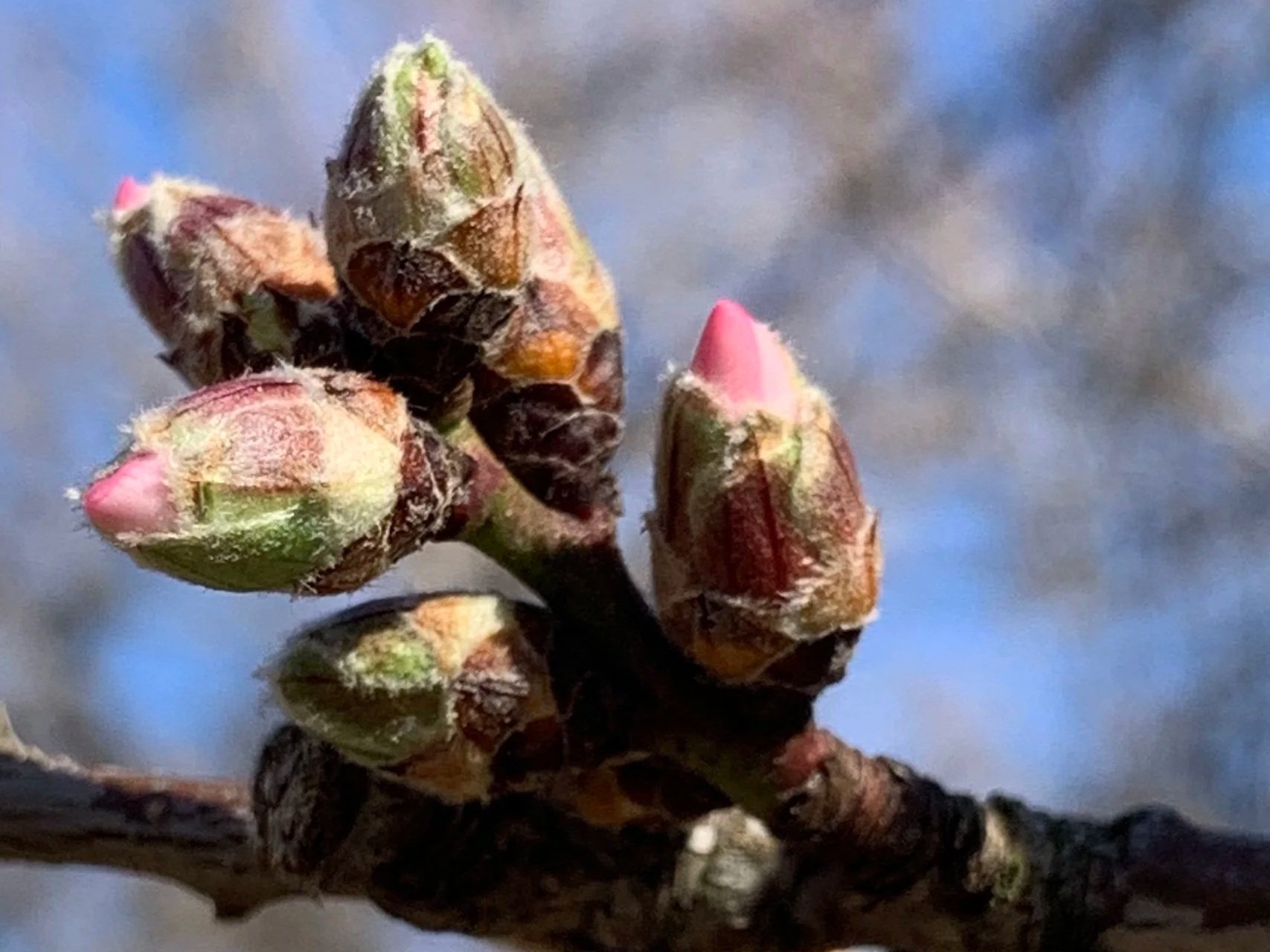
Bloom begins with awakening. Rootflush activity typically starts when soil temperatures reach approximately 45°F, often before visible bud swell. These new hair roots are fueled by stored carbohydrates, not fresh soil nutrient release.
In calcareous soils common to Eastern Washington and Central California, phosphorus remains largely soil-bound until soils warm toward 68°F. That means early-season growth depends on stored reserves or plant-ready forms of nutrition.
The transition from dormancy to reproductive growth is hormonal. Dormancy hormones recede while reproductive hormones stimulate bloom. This shift requires energy. If reserves are weak due to poor fall fertility, compromised canopy function the previous season, or excessive overwinter respiration, bloom becomes uneven.
Uniform bloom reflects energy sufficiency. Uneven bloom often signals deficiency.
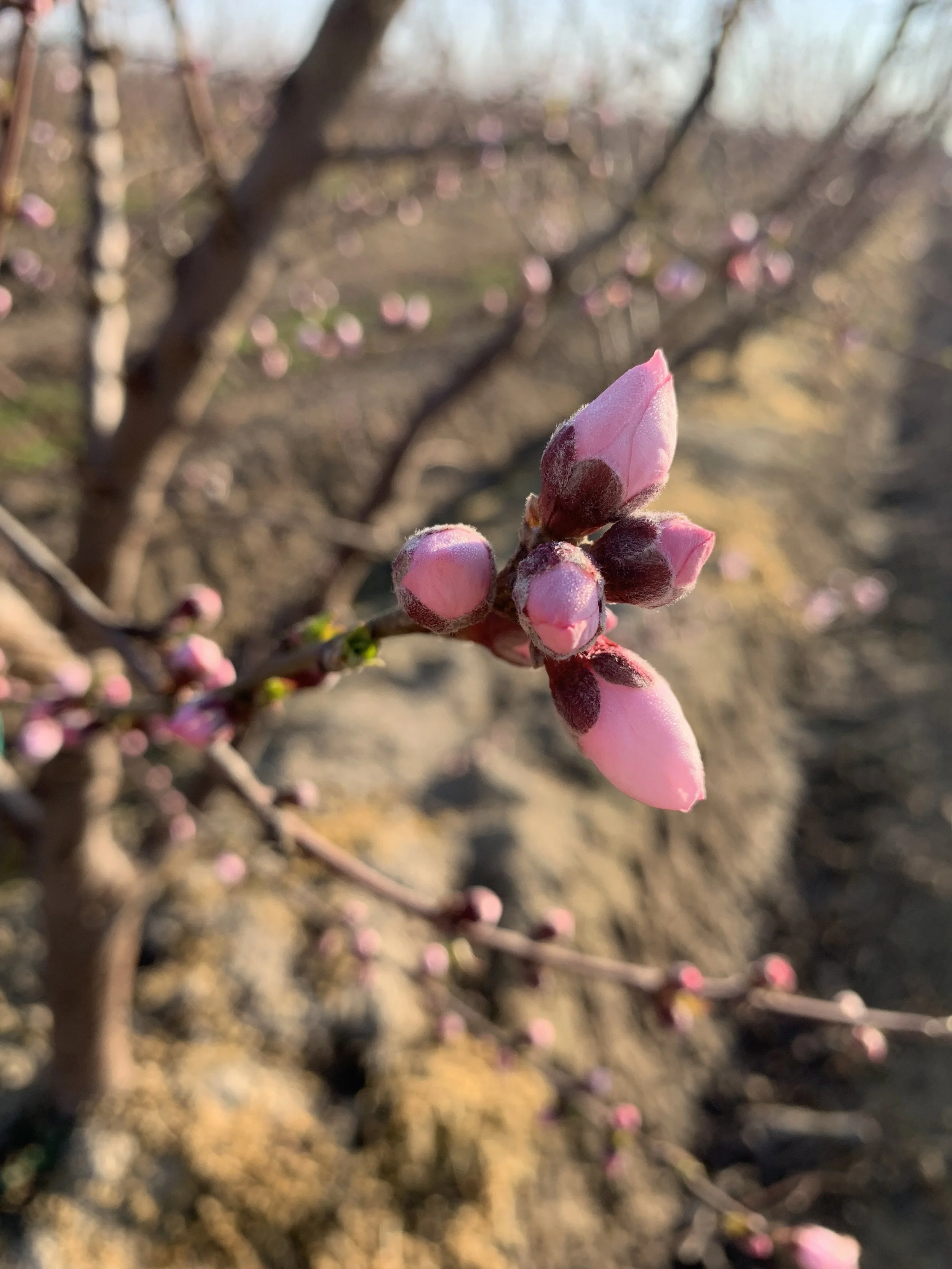
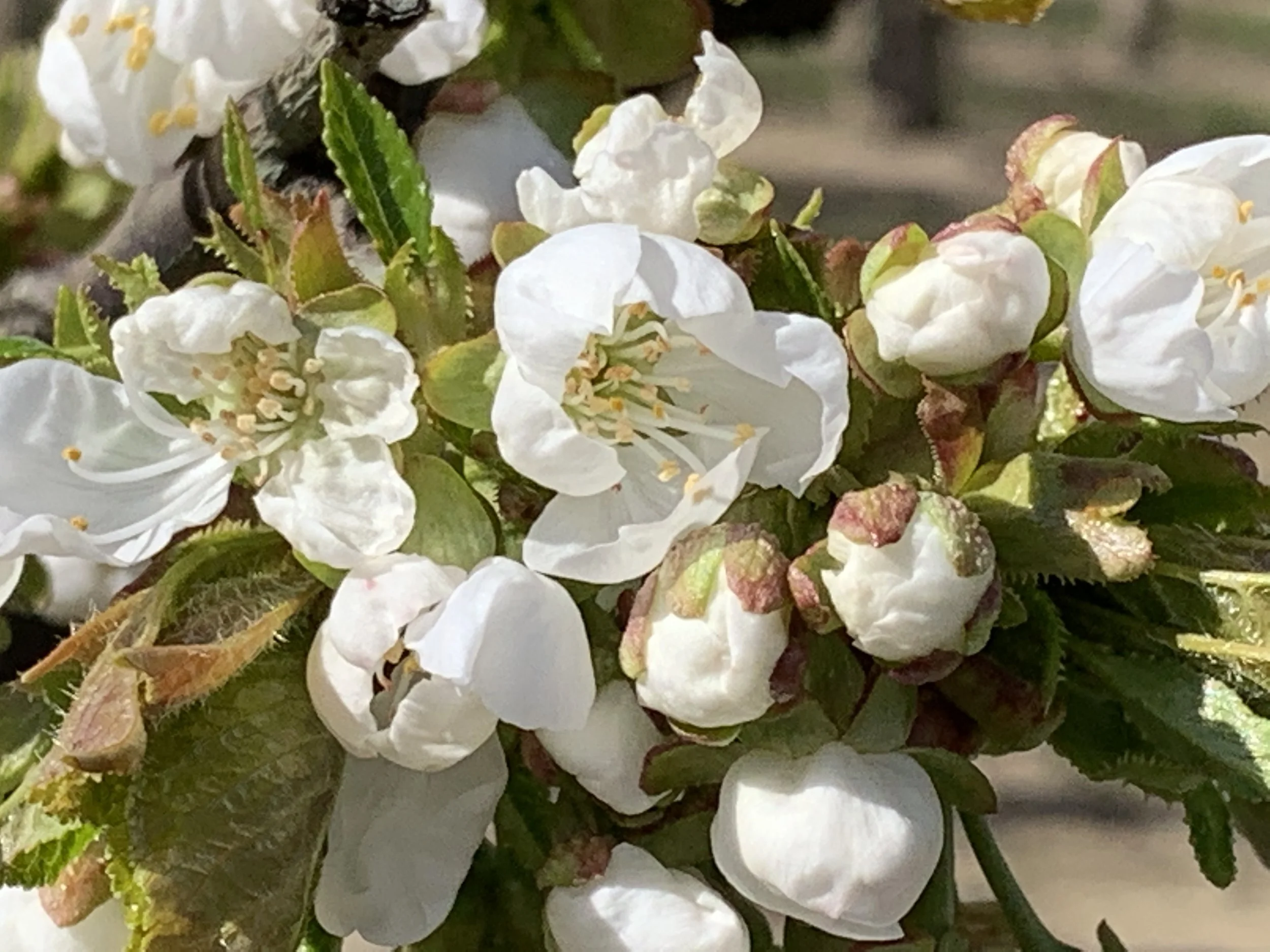
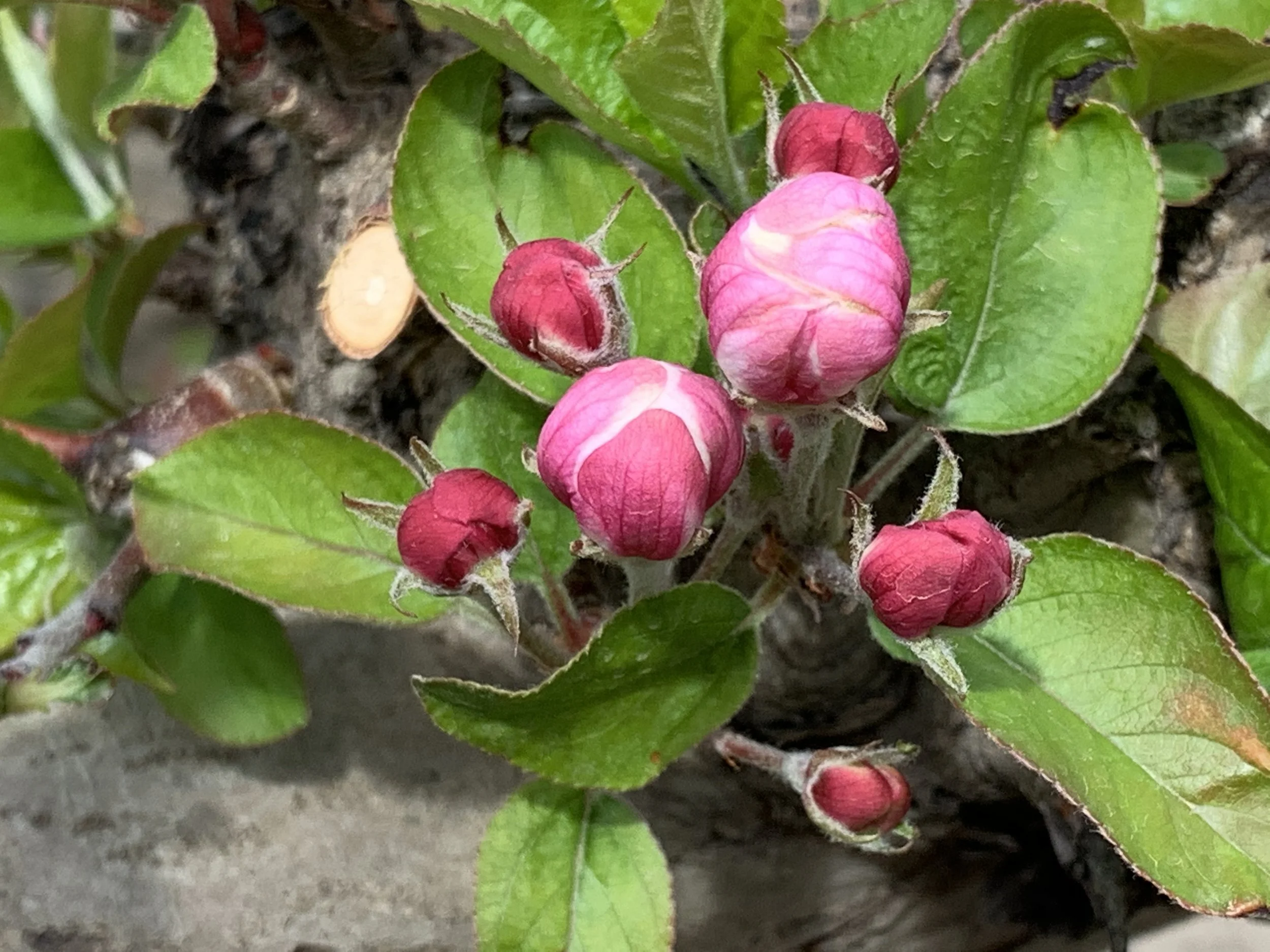
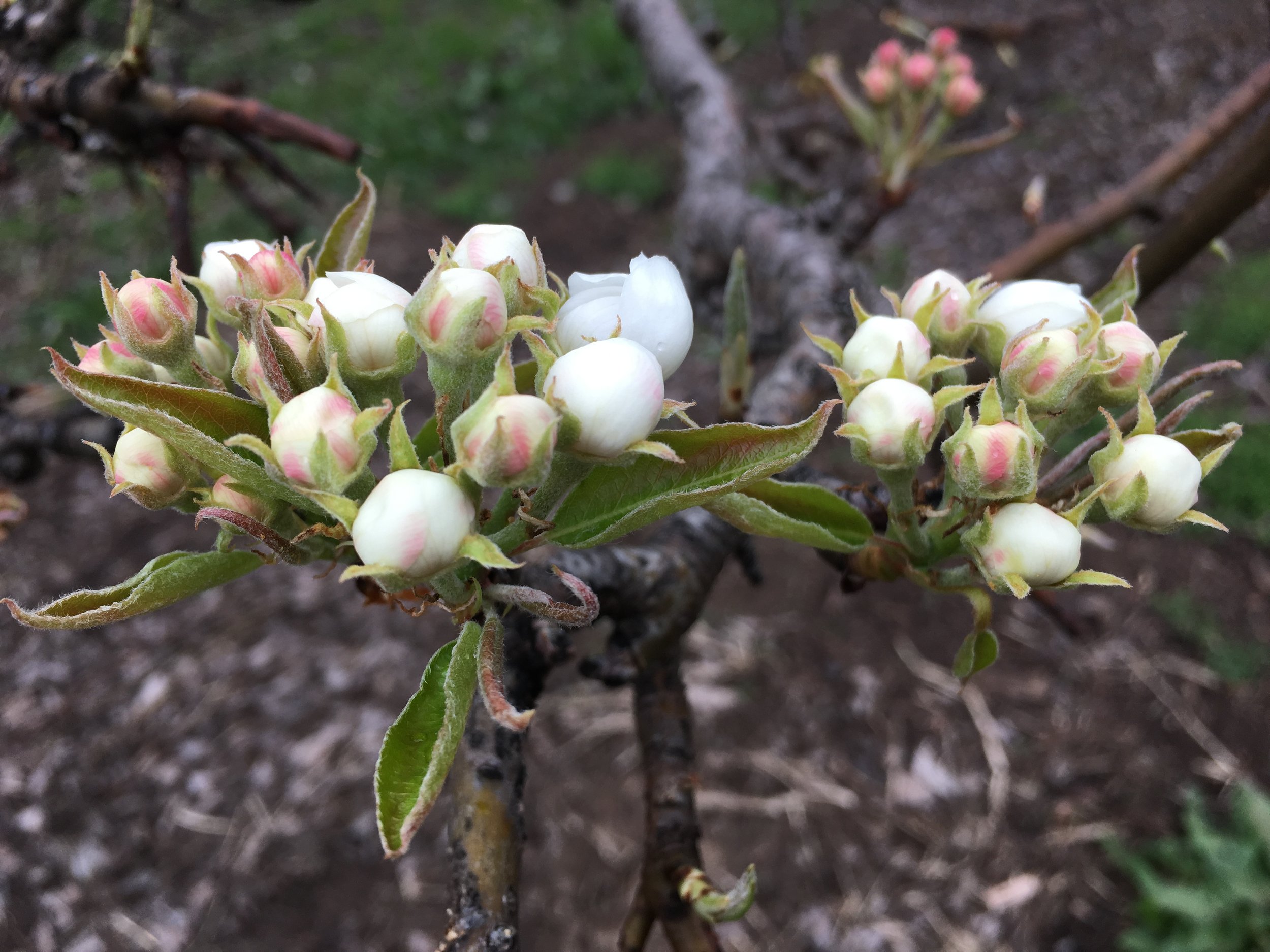
Blossoms: The Attraction System
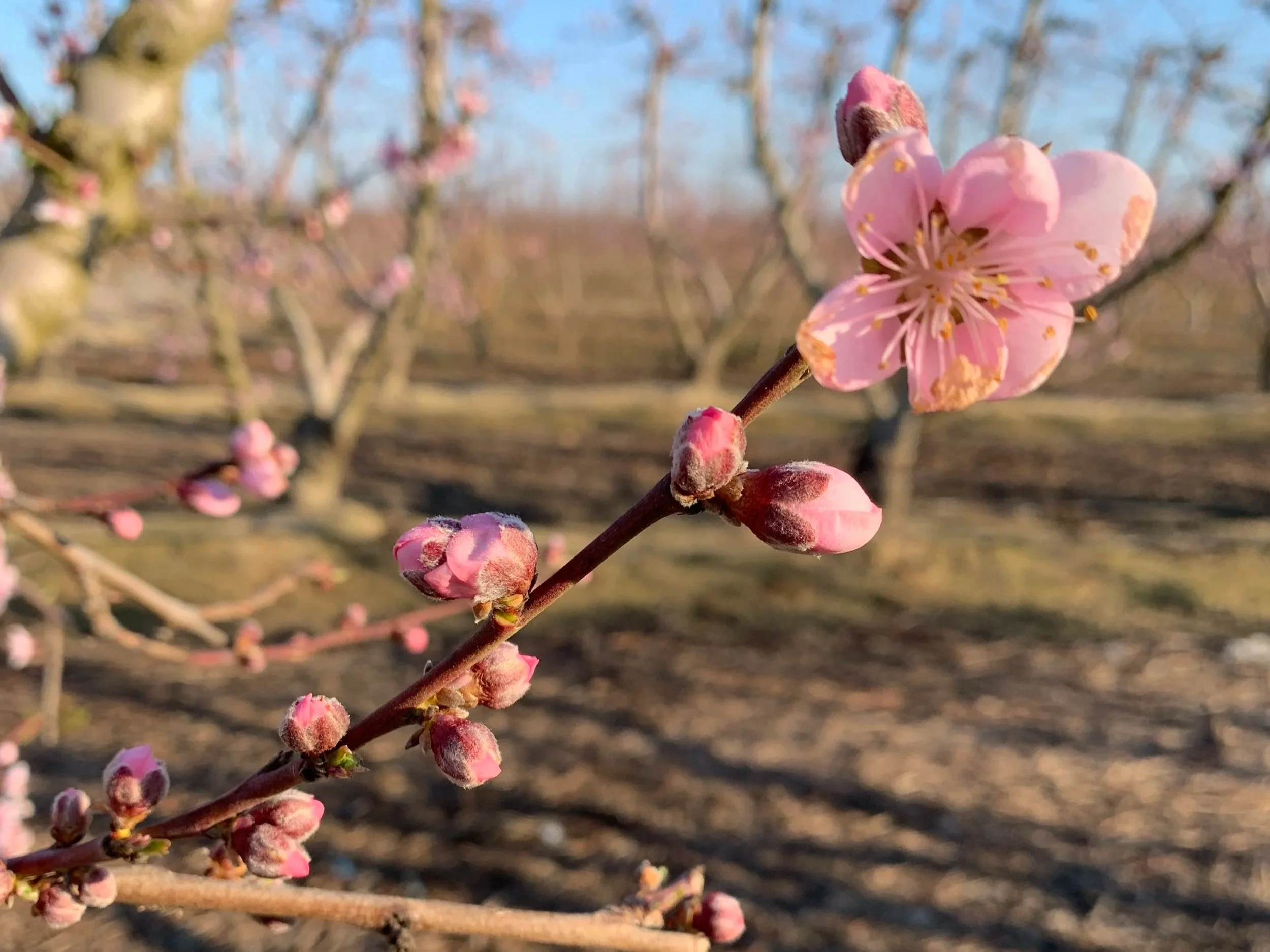
Blossoms are not only decorative structures — they are engineered attractants. They communicate with pollinators through visual signals, volatile compounds, nectar sweetness, and internal heat differentials.
Dr. Philip Callahan observed that insects track infrared and ultraviolet radiation from nectar scent molecules. Bees perceive and associate blossom radiance correlated with nectar reward.
Nectar quality is critical. Bees will work flowers whose nectar measures 7° Brix or higher; below that threshold, they expend more energy in extraction than they recover. Nectar sweetness reflects carbohydrate reserves, which are built through photosynthesis and supported by phosphorus-driven ATP production.
Weak phosphate status limits ATP formation. Limited ATP restricts photosynthetic activity and thereby sugar production. Reduced sugar production lowers nectar Brix. Lower nectar Brix reduces pollinator attraction and efficiency.
Blossom brightness, scent intensity, nectar sweetness, and attraction all trace back to plant energy supply.
Pollenizers: Synchronization and Overlap
Cross-pollinated crops depend on synchronized blooming between primary cultivars and pollenizers. Ideally, dormancy break and bloom progression occur uniformly. In reality, uneven awakening is common.
Blossom viability is short — roughly four days under ideal conditions, with about three of them being fully receptive. If bloom overlap is poor, the effective pollination period narrows.
Extended and uneven blooming leads to uneven fruit maturation at harvest, increasing inefficiencies and labor costs. Synchronization begins with energy sufficiency.
Pollinators: Efficiency and Mission
Bees are efficient energy managers. They typically require approximately 56°F ambient temperature for flight and roughly 16–18 hours of favorable conditions to adequately pollinate a block.
They prioritize blossoms offering the highest nectar return. Bees can differentiate viable blossoms from weak ones based on nectar composition, blossom radiance and scent emissions.
Pollinator performance is not solely weather-driven. It is also plant-driven.
Pollination: The Docking Event
Pollination occurs when a pollen grain(s) land on a receptive stigma. The stigma must be sticky and hydrated to allow for adhesion and pollen rehydration.
Multiple pollen grains can adhere simultaneously, creating competition among developing pollen tubes. Growth rate and viability determine which tubes succeed.
Pollination is only the beginning. The energy demand accelerates immediately afterward.
Pollen Germination and Tube Elongation
Upon rehydration, the pollen grain germinates. The outer wall ruptures and initiates pollen tube formation, much like a tap root from a seed in the soil. Pollen viability is directly related to energy stored within the grain.
The pollen tube elongates rapidly through the style toward the ovary. Based on published research, we can safely assume a growth rate of 1 µm/sec and a 10 mm style length, fertilization could occur in approximately 2¾ hours under ideal conditions. [1,2,3,4,5]
The ovary emits attractant signals which guide tube growth. Growth velocity depends on temperature, nutrient sufficiency, signal strength and available energy.
Any factor slowing tube growth reduces the probability of successful fertilization within the viable window.
Why This Matters…
Bloom is a narrow, volatile window where plant energy status determines whether potential becomes reality. Weather is unpredictable. Pollinator strength varies. Market prices fluctuate.
Plant energy and nutrient balance are manageable.
The quality of bloom, pollen viability, synchronization, nectar sweetness, and pollinator efficiency all trace back to stored reserves and nutrient sufficiency. If this stage is compromised, no in-season adjustment can fully restore lost yield potential.
Bloom sets the ceiling.
Your bloom stage nutrient management should complement each of the critical and volatile steps we call the Pollination Process. At SoilMatters Crop Consulting, we can help you optimize your Nutrient Management Plan by fortifying stored reserves, supporting bloom-stage energy demands, and enhancing pollination efficiency.
Our Nutrient Management plans feature plant-ready, “bio-available” nutrient formulations designed to thrive in real-world field conditions — particularly when soil temperatures and timings limit the efficacy of conventional fertilizer programs.
Contact us today to review your blocks, your goals, your budget and how we can align your nutrition strategy with Bloom-stage physiology for optimal results.
Here’s to your crops’ success!
SOURCES:
Bloom Stage Audio Series
Prefer to listen while walking your blocks or driving between fields?
We’ve organized our Bloom-stage Spotify episodes into curated playlists covering pollination, energy demand, and early development strategy.